

Zinc and Amino Acids for Immune Support: What Works
Last Updated: November 24, 2026
Quick Summary
Zinc and amino acids for immune support is a common pairing in supplements, since zinc is needed for normal immune cell development and activity. Many people get enough zinc from food, but intake and absorption vary. Amino acid chelate and picolinate are two main zinc forms to compare, and more zinc is not always better.
- Zinc is a trace mineral the body needs for normal immune cell development and activity.
- Many people get enough zinc from food, but intake and absorption vary.
- An amino acid chelate binds zinc to amino acids, while picolinate pairs zinc with picolinic acid.
- Compare labels for elemental zinc per capsule before you buy.
- Long-term high zinc doses can interfere with copper absorption, so stay within recommended limits.
Table of Contents
- How Zinc Supports Immune Function
- Best Zinc for Immune System Support: Comparing Forms
- Zinc for Immune System Dosage and Safety
- Frequently Asked Questions
How Zinc Supports Immune Function
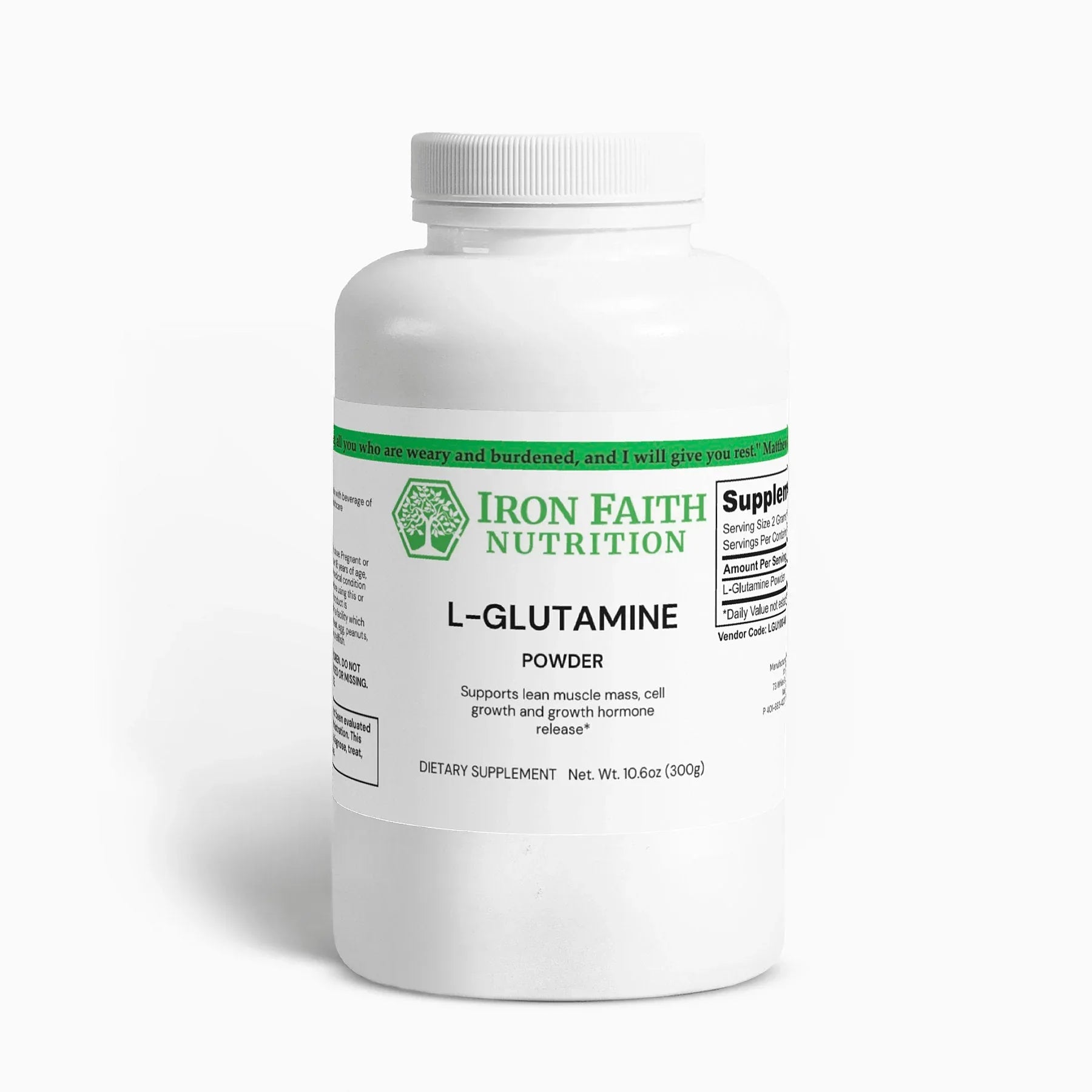
Zinc is a trace mineral the body needs for normal immune cell development and activity, and it is often discussed alongside zinc and amino acids for immune support. Many people get enough zinc from food, but intake and absorption vary, which is why zinc status matters. Pairing zinc with amino acids is a common approach in supplements, and Iron Faith Nutrition's Zinc Chelated 50 mg uses an amino acid chelate form. Those interested in amino acids for immune support can also review L-glutamine powder as a separate option. For a closer look at amino acid supplements for immune function, see compare doses and side effects. Check the NIH Office of Dietary Supplements zinc fact sheet for the current evidence on zinc's immune role.
Best Zinc for Immune System Support: Comparing Forms
Zinc comes in several forms, and each differs in how it is bound and absorbed. An amino acid chelate binds zinc to amino acids, while picolinate pairs zinc with picolinic acid. Both are sold as daily mineral options. Our pick for a chelated form is Zinc Chelated 50 mg - Immune & Skin Support, and those who prefer picolinate can look at Zinc Picolinate, Daily Immune, Skin & Metabolic Support. Compare the labels for elemental zinc per capsule before you buy.
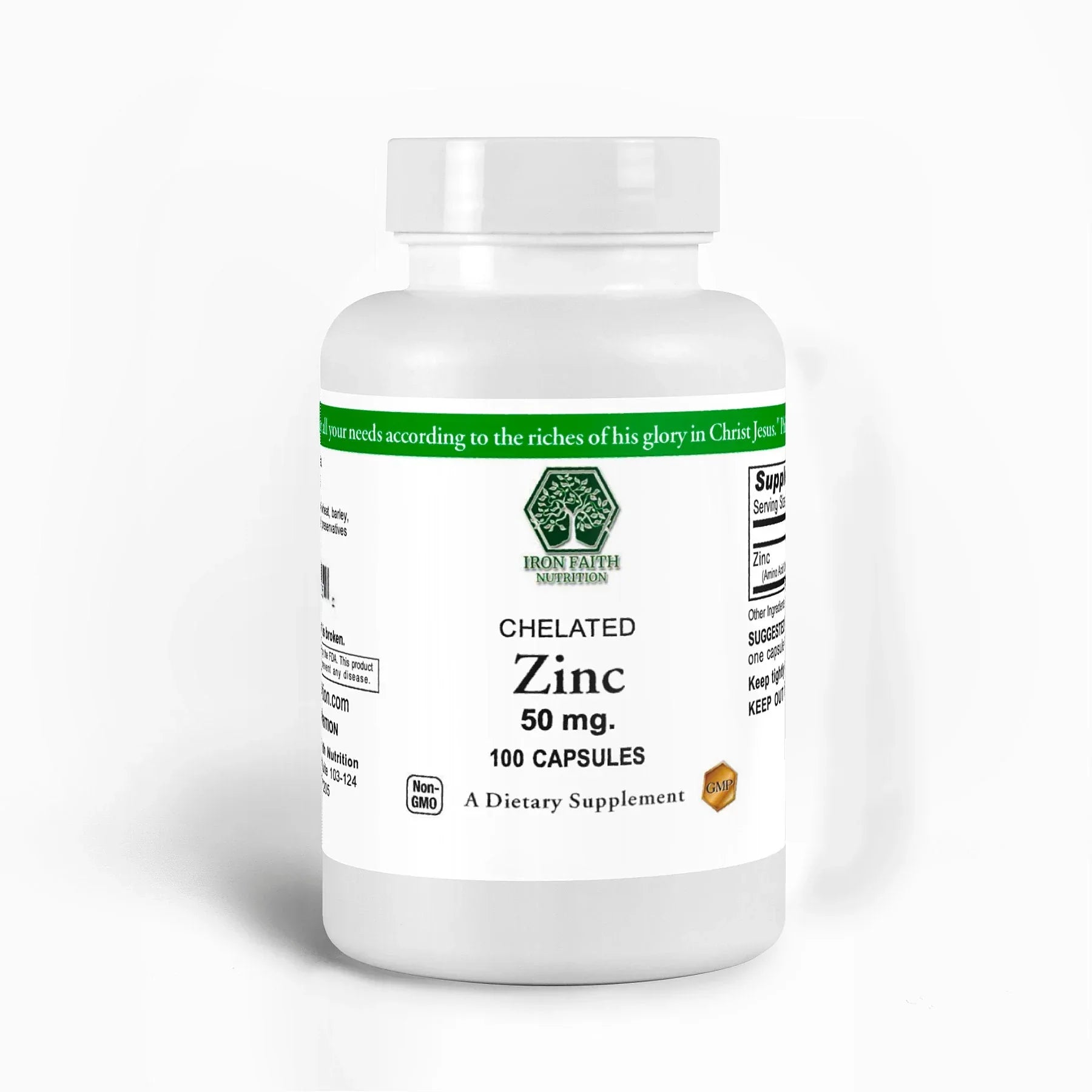
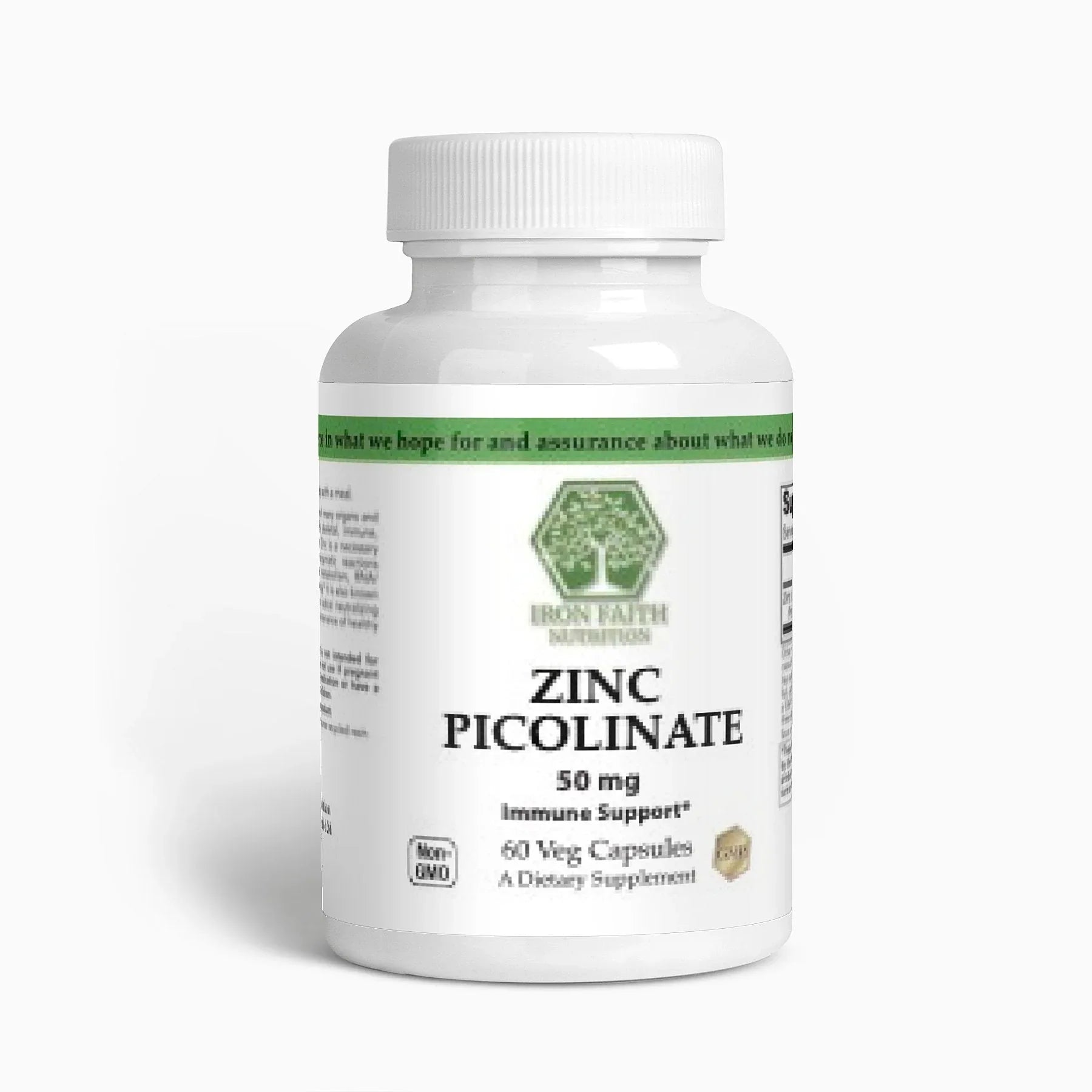
The article contrasts the two main zinc forms it names, along with the label detail it recommends checking.
| Zinc form | How it is bound | Product mentioned |
|---|---|---|
| Amino acid chelate | Zinc bound to amino acids | Zinc Chelated 50 mg - Immune & Skin Support |
| Picolinate | Zinc paired with picolinic acid | Zinc Picolinate, Daily Immune, Skin & Metabolic Support |
Zinc for Immune System Dosage and Safety
More zinc is not always better, so any zinc and amino acids for immune support plan should stay within recommended limits. If you want a combined option, Calcium Magnesium Zinc Support lists its zinc content on the label. The NIH zinc dietary supplement guidance sets an upper limit for adults, and long-term high doses can interfere with copper absorption. The 50 mg chelated product is a high-potency dose, and the label suggests considering short-term use or every-other-day use for maintenance unless advised otherwise. Anyone who is pregnant, nursing, under 18, or taking medication should speak with a clinician first.
Frequently Asked Questions
Can zinc improve your immune system?
Zinc is needed for normal immune function, and deficiency is linked to weaker immune responses. Supplementing when your levels are already adequate is unlikely to add extra immune benefit, and very high intakes can cause harm. If you are considering zinc for immune support, check your daily intake first, then choose a dose that stays within the recommended upper limit for your age and sex.
What is a zinc amino acid chelate?
A zinc amino acid chelate is zinc bound to one or more amino acids, which is one form of zinc sold in supplements. Iron Faith Nutrition's Zinc Chelated 50 mg is an amino acid chelate, and its label lists zinc (amino acid chelate) as the only active ingredient.
Can you take zinc with other supplements or medications?
High zinc intake can reduce copper absorption over time. People who take prescription drugs, are pregnant or nursing, or already take multiple mineral supplements should speak with a healthcare professional before adding zinc. Keep your total daily zinc from all sources, including multivitamins, within the upper limit.