

How to Start an Anti-Inflammatory Diet as a Beginner
Last Updated: November 7, 2026
Quick Summary
To start an anti-inflammatory diet, build your meals around whole foods such as vegetables, fruits, beans, whole grains, fish, nuts, and olive oil. Focus first on adding these foods rather than cutting everything out, and limit sugary drinks, fried foods, and processed meats. Talk with your doctor before big changes if you have a health condition.
- Make vegetables, fruits, legumes, and whole grains the base of most meals.
- Eat fatty fish like salmon, sardines, or mackerel about two times a week.
- Use extra-virgin olive oil as your everyday cooking oil.
- Limit sugary drinks, fried foods, and processed meats rather than eliminating them.
- Track energy, joint stiffness, and digestion for four to six weeks to spot patterns.
Table of Contents
- What an Anti-Inflammatory Diet Is and What It Is Not
- Anti-Inflammatory Foods to Build Your Plate Around
- Simple Anti-Inflammatory Meals You Can Make This Week
- A 7-Day Anti-Inflammatory Meal Plan for Beginners
- Eating Anti-Inflammatory on a Budget
- Setting Realistic Expectations and Tracking Your Progress
- Your First Week Starts With One Grocery Trip
- Frequently Asked Questions
What an Anti-Inflammatory Diet Is and What It Is Not
This guide will help you start an anti-inflammatory diet for beginners without guesswork.
Many people find the approach easier to follow when they focus on adding foods rather than cutting everything out. Our natural joint support options compared show how turmeric, fish oil, and glucosamine fit into a simple routine.
What it includes:
- Plenty of colorful vegetables and fruits
- Whole grains and legumes in place of refined grains
- Fatty fish, nuts, seeds, and olive oil as main fats
- Herbs and spices, including turmeric and ginger
What it is not:
- A replacement for medical care or prescribed treatment
- A diet that requires expensive specialty foods
- A quick fix you can judge in a few days
If you have a health condition or take medication, talk with your doctor before making big changes. A registered dietitian can also help you personalize the plan.
Anti-Inflammatory Foods to Build Your Plate Around
Start by making these foods the base of most meals. You do not need to eat all of them every day. Aim for variety across the week.
- Vegetables: Leafy greens, broccoli, peppers, tomatoes, and onions
- Fruits: Berries, cherries, oranges, and apples
- Legumes: Lentils, chickpeas, black beans, and white beans
- Whole grains: Oats, brown rice, quinoa, and whole-wheat bread
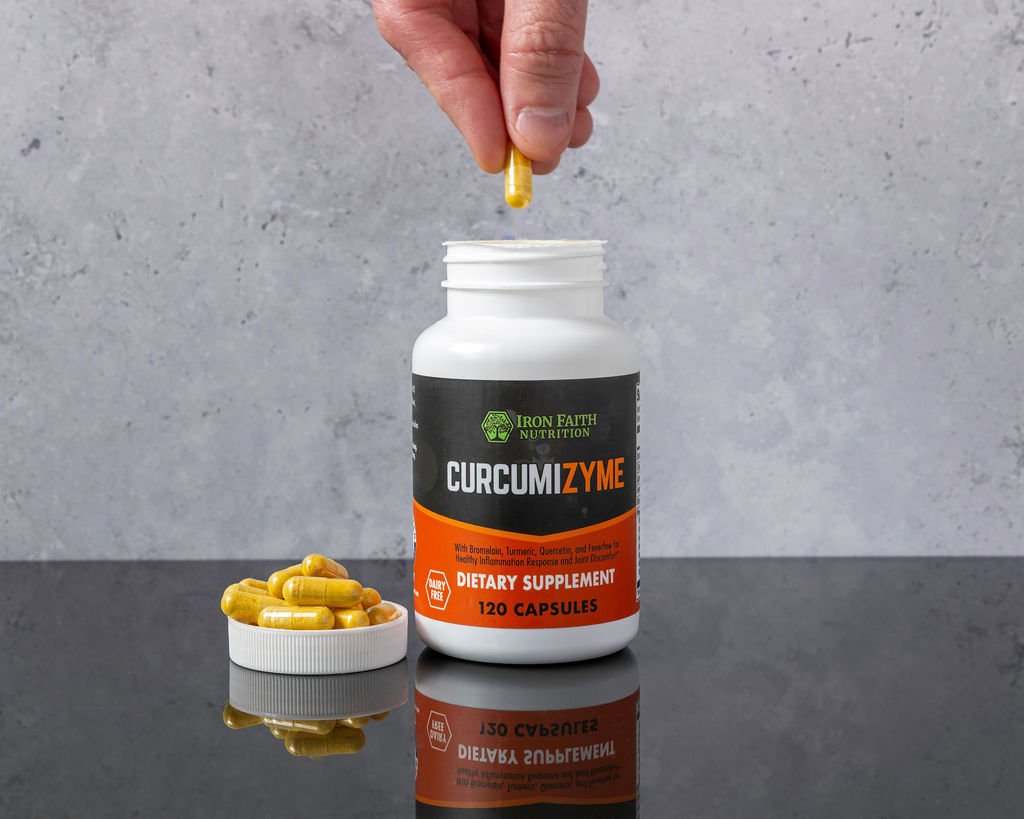
Turmeric is one of the most popular choices. If you want to see how a curcumin-and-enzyme formula fits alongside meals, Curcumizyme curcumin support outlines what it offers for daily joint comfort. If you want extra support alongside your meals, Iron Faith Nutrition's Curcumizyme pairs turmeric with enzymes for daily joint comfort.


Foods to Limit or Avoid
You do not have to eliminate these completely. Just eat them less often and in smaller amounts.
- Sugary drinks and sweets
- Fried foods and fast food
- Refined white bread and pastries
- Processed meats like hot dogs and deli meat
Simple Anti-Inflammatory Meals You Can Make This Week
Simple meals make the diet stick. Try these three to get started:
- Breakfast: Oatmeal topped with berries, walnuts, and a spoon of chia seeds.
- Lunch: A big bowl with lentils, spinach, roasted peppers, and olive oil dressing.
- Dinner: Baked salmon with roasted broccoli and brown rice.
Batch cooking helps. Cook a pot of lentils or brown rice on Sunday, then use it for several meals during the week.
A 7-Day Anti-Inflammatory Meal Plan for Beginners
Most meal plans hand you a table and stop there. This one adds the part beginners actually need: a day-by-day sequence for changing habits, so you are not trying to overhaul your kitchen overnight. The table is your food map; the daily focus underneath is your habit map. Do both together and the week feels manageable instead of overwhelming.
The Meal Map
This plan uses affordable staples and repeats ingredients to save time and money.
| Day | Breakfast | Lunch | Dinner |
|---|---|---|---|
| Monday | Oatmeal with berries | Lentil soup and whole-grain bread | Baked salmon, broccoli, brown rice |
| Tuesday | Greek yogurt with walnuts | Chickpea salad with olive oil | Stir-fried vegetables with tofu |
| Wednesday | Oatmeal with berries | Leftover lentil soup | Black bean tacos with peppers |
| Thursday | Chia pudding | Spinach salad with salmon | Lentil and vegetable stew |
| Friday | Whole-grain toast with avocado | Leftover stew | Baked cod, sweet potato, green beans |
| Saturday | Egg scramble with spinach | Black bean bowl with brown rice | Homemade vegetable pizza on whole-wheat crust |
| Sunday | Berry smoothie with flaxseed | Chickpea and vegetable wrap | Roast chicken, quinoa, roasted carrots |
The Day-by-Day Habit Sequence
Pair each day with one small action. This is the transition plan most food lists skip.
- Day 1, Add, don't subtract. Eat your normal meals but add one extra vegetable serving to lunch and dinner. Do not clear your pantry yet.
- Day 2, Swap one grain. Replace one refined-grain item (white bread, white rice) with a whole grain. Keep everything else the same.
- Day 3, Add a legume. Use lentils or chickpeas in place of meat at one meal. Canned, rinsed beans count.
- Day 4, Add fatty fish or a plant omega-3. Salmon, sardines, mackerel, trout, or a flax/chia serving. Aim for two fish meals this week.
- Day 5, Upgrade your fat. Cook with extra-virgin olive oil instead of butter or seed oil for the day's meals.
Watch out: do not stack every change on Day 1. Beginners who overhaul everything at once tend to quit by midweek; the sequence is designed so each day builds on the last.
Personalize the Plan
The table is a template, not a prescription. Swap freely using these substitutions:
- Vegetarian or vegan: Replace salmon, cod, chicken, yogurt, and eggs with tofu, tempeh, lentils, chickpeas, and fortified plant milk. Add ground flax or chia for omega-3s.
- Gluten-free: Use certified gluten-free oats, brown rice, quinoa, and gluten-free bread or wraps in place of whole-wheat items.
- Dairy-free: Swap Greek yogurt for a fortified plant-based yogurt or a chia pudding.
- Nut allergy: Replace walnuts and almonds with pumpkin seeds, sunflower seeds, or hemp hearts.
- Fish aversion: Use beans, lentils, tofu, and chia/flax for protein and omega-3 support.
Prep and Food-Safety Basics
Batch cooking only helps if the food stays safe. A few beginner-level rules:
- Cool cooked grains and legumes within about two hours, then refrigerate in shallow containers. Most cooked leftovers keep three to four days in the fridge.
- Thaw fish in the refrigerator overnight, never on the counter. Cook fish to an internal temperature of 145°F.
- Reheat leftovers to steaming hot (165°F) and do not reheat the same portion more than once.
- Rinse canned beans and lentils before using to reduce sodium.
- Keep raw fish and poultry separate from ready-to-eat foods on the cutting board.
Realistic Expectations
A single week will not tell you whether this way of eating is working. Results vary from person to person. Use the plan as a repeatable structure, not a test. If you have a medical condition, food allergy, or take medication, talk with your doctor or a registered dietitian before making major changes.
Eating Anti-Inflammatory on a Budget
Budget advice is easy to give and hard to use. This section turns it into a concrete plan: a sample list, serving-based planning, low-cost swaps, and the places beginners most often overspend. No prices are listed here because they vary by store and region, the goal is to show you what to buy and how much, so you can compare against your own local costs.
Plan by Servings, Not by Recipes
A common beginner mistake is buying for one recipe and wasting the rest. Plan by servings instead:
- Aim for about 4-5 vegetable servings and 2-3 fruit servings per day.
- Plan 2 fish meals per week; canned or frozen fish counts.
- Cook one pot of grains and one pot of legumes to cover 3-4 meals each.
- Buy one protein source per two dinners rather than a different protein every night.
A Sample Beginner Shopping List
This list covers roughly one week for one adult and repeats ingredients across meals:
- Produce: bag of frozen mixed vegetables, bag of frozen berries, fresh spinach or kale, onions, carrots, peppers, bananas or apples
- Whole grains: rolled oats, brown rice or quinoa
- Legumes: two cans of lentils or chickpeas, one bag of dried beans if you have time to cook them
- Protein: canned salmon or sardines, eggs, tofu or chicken
- Fats and nuts: extra-virgin olive oil, walnuts or pumpkin seeds, chia or flaxseed
Low-Cost Swaps That Keep the Nutrition
- Fresh berries → frozen berries. Same nutrients, longer shelf life, less waste.
- Fresh salmon → canned salmon or sardines. Lower cost per serving and already cooked.
- Specialty grain blends → plain oats, brown rice, or quinoa. Buy the plain version and season it yourself.
- Fresh herbs → dried herbs or a small turmeric/ginger stash. Dried spices last longer and cost less per use.
- Pre-cut vegetables → whole vegetables you chop once and store. The convenience premium is real; chop on prep day instead.
Where Beginners Overspend
Watch out: the biggest budget leaks are specialty "anti-inflammatory" powders, single-use supplement bundles, and fresh produce bought in bulk that spoils before it is eaten. Buy frozen for anything you will not eat within a few days, and add supplements only after your plate is consistent, not as a substitute for food.
A Simple Plate Rule
Fill half your plate with vegetables, add one budget-friendly protein (beans, eggs, canned fish, tofu, or chicken), and one whole grain. This rule keeps meals cheap, balanced, and easy to repeat without a recipe.
Stretch It Further
- Cook dried beans in a large batch and freeze in meal-sized portions.
- Use frozen vegetables in soups, stews, and stir-fries where texture matters less.
- Build meals around what is on sale that week, then match it to the meal map above.
- Keep a running list of the five meals your household actually eats, and rotate them.
Setting Realistic Expectations and Tracking Your Progress
Results vary from person to person, and no diet guarantees specific outcomes.
Track simple things for four to six weeks:
- How often you eat vegetables and whole foods each day
- Your energy levels in the afternoon
- Any joint stiffness or digestive changes you notice
Write these down in a notebook or phone app. Patterns are easier to spot over time than day to day.
If you have ongoing pain or symptoms, see a healthcare provider rather than relying on diet alone.
Your First Week Starts With One Grocery Trip
You do not need to change everything at once. Pick one grocery trip this week and buy:
- Two kinds of vegetables and one fruit you like
- One whole grain such as oats or brown rice
- One legume such as lentils or chickpeas
- One source of healthy fat such as olive oil or walnuts
- One fish option, fresh or canned
Cook one new recipe from this guide each day. Within a week, you will have a routine that feels manageable. Explore more anti-inflammatory herbs and natural options in our anti-inflammatory herbs guide for chronic pain to learn what fits your goals.
Ready to build an easier routine? Shop Curcumizyme to support daily joint comfort alongside your new meals.
Frequently Asked Questions
What is the easiest way to start an anti-inflammatory diet?
Start by changing one meal a day rather than overhauling everything at once. Swap sugary breakfast cereal for oatmeal topped with berries and nuts, or replace a soda with water or herbal tea. Once those feel routine, add a second change, such as cooking with olive oil instead of butter or adding a serving of leafy greens to dinner. Gradual swaps are easier to keep up and let you notice which changes you actually enjoy. Most beginners find that a few consistent habits matter more than a perfect plan.
What are the top inflammatory foods to avoid?
The foods most often limited on an anti-inflammatory diet include sugar-sweetened drinks, refined grains such as white bread and white pasta, processed meats like bacon and deli meat, and fried or heavily processed snacks. Many people also cut back on margarine and shortening that contain partially hydrogenated oils. You do not need to eliminate these entirely. Focusing on reducing how often they appear in your meals is usually more sustainable than strict avoidance.
Can I follow an anti-inflammatory diet on a budget?
Yes. Frozen vegetables and fruit are as nutritious as fresh and often cheaper. Dried or canned beans and lentils are inexpensive sources of fiber and plant protein, and rolled oats, brown rice and bagged frozen fish are affordable staples. Buying whole ingredients and cooking in batches reduces waste and cost. Canned fish such as sardines and canned salmon provide omega-3 fats at a lower price than fresh fillets.
How long does it take to notice changes on an anti-inflammatory diet?
Timelines vary widely, and this diet is not a quick fix. Some people notice changes in energy, digestion or sleep within a few weeks, while changes in joint comfort or other inflammation-related symptoms can take longer to appear. Tracking how you feel in a simple daily log can help you spot patterns over time. If symptoms are persistent or worsening, speak with a healthcare professional rather than relying on diet alone.