

Which Immune Supplements Are Worth It After 40?
Last Updated: October 30, 2026
Quick Summary
The best immune system support after 40 starts with fixing the basics: sleep, protein, physical activity, vaccination, and a vitamin D level checked by a clinician. Supplements such as vitamin D or zinc are worth adding only when they fill an identified gap, rather than stacking several products at once.
- Immunosenescence, a gradual remodeling of the immune system, begins earlier than many people assume.
- The thymus, where T cells mature, shrinks steadily with age.
- A clinician can order a 25-hydroxyvitamin D test to show whether you need vitamin D.
- Add up every supplement label before combining products to avoid exceeding upper intake limits.
- Look for a certificate of analysis or third-party testing marks such as NSF or USP.
Table of Contents
- Why Immune System Support Changes After 40
- Best Vitamins for Immune System Support
- Vitamin D for Immune Health: Who Benefits Most
- Iron Faith Nutrition Products Worth Comparing
- How to Choose Immune Support Supplements
- Immune Supplement Safety and Interactions
- Building Your Immune Routine Next Step
- Frequently Asked Questions
Why Immune System Support Changes After 40
The keyword here is over 40, and that detail matters more than most supplement lists admit. Immune function does not fall off a cliff at a birthday. What happens is a gradual, well-documented remodeling of the immune system that most researchers call immunosenescence, and it starts earlier than many people assume.
A few changes are worth understanding before you buy anything:
- The thymus shrinks. This small gland behind the breastbone is where T cells mature. It is largest in childhood and steadily involutes with age.
- Low-grade inflammation creeps up. Older adults often show mildly elevated inflammatory markers even without an active infection, sometimes called inflammaging. That background noise can make immune signaling less crisp.
- Antibody responses can be slower and smaller. This is one reason vaccination remains important at every age and why some vaccines are offered at higher doses or with adjuvants to older adults.
- Skin and mucosal barriers thin. The first line of defense, skin, gut lining, respiratory mucosa, becomes more permeable and less efficient at blocking invaders.
- Nutrient absorption and appetite change. Stomach acid production, digestive efficiency, and overall food intake often decline, which can quietly reduce intake of vitamin D, B12, zinc, and protein.
None of this means every adult over 40 needs a supplement. It means the reasons to pay attention to sleep, protein intake, vitamin D status, physical activity, and vaccination get stronger, and the margin for a haphazard routine gets thinner.
At Iron Faith Nutrition, we believe supplements should complement a healthy lifestyle, not replace it. The sections below walk through the nutrients most often discussed for immune function, how to evaluate products, and the safety points worth checking before you add anything new.
Best Vitamins for Immune System Support
Vitamins and minerals are the nutrients most often associated with normal immune function. Common examples include vitamin C, vitamin D, and zinc. Each plays a role in how the immune system works, but none is a guaranteed shield against illness.
Vitamin D is a fat-soluble nutrient that supports normal immune function and bone health. Zinc supports immune cell activity and enzyme processes.
For a daily foundation, many people use a mineral blend. Our Cal-Mag-Zinc combines calcium, magnesium, and zinc in one routine-friendly formula, priced at $14.95.
Watch out: Mixing several zinc or calcium products can push your total intake above recommended upper limits. Add up the labels before you stack.
Vitamin D for Immune Health: Who Benefits Most
Vitamin D is one of the most frequently discussed nutrients for immune health.
Our Vitamin D3 10,000 IU - Immune, Bone & Muscle Support is priced at $17.95 and uses the D3 (cholecalciferol) form. Because this is a high-potency dose, check with a healthcare professional before using it, especially if you take medications or have a condition that affects calcium levels.
Iron Faith Nutrition Products Worth Comparing
Before choosing supplements, it helps to compare formats, ingredients, and intended use. Our current catalog includes several options that fit common immune-support goals.
| Product | Format | Price | Best For |
|---|---|---|---|
| Vitamin D3 10,000 IU | Capsule | $17.95 | Adults looking for a vitamin D foundation |
| Zinc Picolinate | Daily mineral | $12.95 | Daily zinc with food |
| Zinc Chelated 50 mg | Capsule | $14.95 | Higher-potency zinc, short-term use |
| Vita-Min Plus Herbs | Liquid | $42.95 | A broad daily multivitamin base |
| Cal-Mag-Zinc | Mineral blend | $14.95 | Bone, muscle, and immune mineral support |
| Biozymes Pro Blend | Enzyme and probiotic | $25.95 | Digestive support with meals |
| Sea Moss Capsules | Capsule | $19.99 | Mineral and gut-support routines |
| Organic Moringa | Capsule | $14.95 | Plant-based daily nutrition |
| Ashwagandha | Capsule | $18.95 | Stress and recovery support |
| Essential Cell Food | Capsule | $22.95 | Foundational daily mineral support |
Liquid multivitamin and daily mineral options
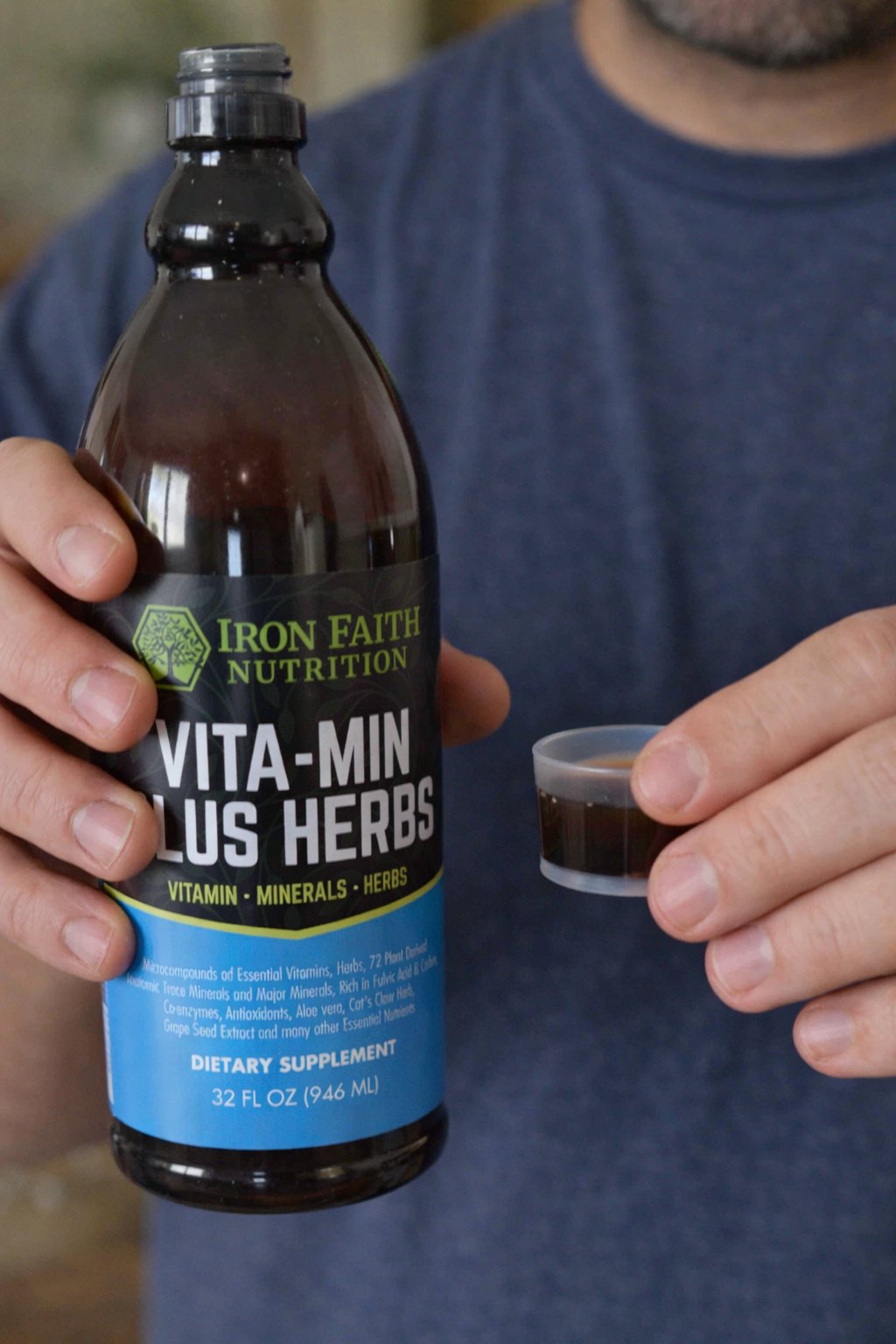
Vita-Min Plus Herbs, priced at $42.95, is a liquid multivitamin that combines vitamins, minerals, and botanical ingredients. Mix one fluid ounce with water or juice.

If you prefer a mineral-only option, Cal-Mag-Zinc gives you daily calcium, magnesium, and zinc without a multivitamin. Magnesium glycinate is also available as a gentler-on-digestion magnesium option.
How to Choose Immune Support Supplements
Most immune-support lists tell you what to take. Fewer tell you how to tell a good product from a bad one, and that is where most buying mistakes happen. Use the checklist below before you add anything to your routine.
Vitamin D3 10,000 IU – Immune, Bone & Muscle Support →
1. Start with a gap, not a list
Rather than buying five products, identify one or two specific gaps. A simple approach: review your diet for vitamin D, zinc, and protein sources; note your sun exposure; consider your age and activity level; and decide whether a single foundational product covers the gap. If you have never had vitamin D tested, that is often the most useful first step, a clinician can order a 25-hydroxyvitamin D test, and results give you a real number to work from instead of a guess.
2. Read the Supplement Facts panel like an editor
- Amount per serving vs. per capsule. A label that says '500 mg' may mean per two capsules. Check the serving size.
- Ingredient form matters. Zinc picolinate and zinc chelate are absorbed differently than zinc oxide. Vitamin D3 (cholecalciferol) is the form most often studied for immune and bone support. Magnesium glycinate is gentler on digestion than magnesium oxide.
- Watch proprietary blends. If a blend lists ingredients but not amounts, you cannot verify dosing or compare it to research.
- Check for unnecessary additives. Fillers, added sugars in gummies, and artificial colors are not safety issues for most people, but they add cost and clutter.
3. Look for third-party testing
A manufacturer's own claim is not verification. Look for a certificate of analysis (COA) available on request, and for testing marks from established programs such as NSF Certified for Sport, USP Verified, or ConsumerLab.
4. Match the format to your routine
Capsules are convenient and shelf-stable. Liquids can suit people who dislike swallowing pills, but check the serving size and whether the bottle needs refrigeration after opening. Powders are economical but easy to under- or over-scoop. The best format is the one you will actually take consistently.
5. Avoid the stacking trap
This is the most common mistake adults make. Zinc appears in multivitamins, immune blends, and standalone capsules. Calcium and magnesium appear in bone formulas and sleep aids. Vitamin D appears almost everywhere. Add up every label before you combine products, and compare totals against the tolerable upper intake levels published by the National Institutes of Health Office of Dietary Supplements.
6. Set a realistic trial window
Give a new supplement a fair trial before judging it, and note what you are actually measuring. Supplements are not meant to be permanent by default.
7. Put supplements in context
The evidence for sleep, regular physical activity, adequate protein, vaccination, and not smoking is far stronger than the evidence for any single immune supplement. Treat supplements as a small add-on to those foundations, not a substitute for them.
Immune Supplement Safety and Interactions
Supplements can interact with medications and with each other. Vitamin D, zinc, and calcium can affect how other drugs work, and some people with kidney conditions or who take blood pressure medications need extra caution with mineral products.
Pregnant or nursing individuals, children, and anyone with a medical condition should speak with a healthcare professional before starting a new supplement.
Keep products out of reach of children, store them in a cool, dry place, and do not use any product whose safety seal is damaged or missing. These statements have not been evaluated by the Food and Drug Administration. Our products are not intended to diagnose, treat, cure, or prevent any disease.
Building Your Immune Routine Next Step
Start with one foundational product, track how your routine feels over several weeks, and add another only if you have a clear reason. Adults over 40 who keep a simple, consistent routine are usually better positioned than those who buy too many products at once.
If you are ready to begin, explore the Iron Faith Nutrition vitamin and mineral collection and choose a single product that fits your goals and budget.
Frequently Asked Questions
How can adults over 40 support their immune system?
Adults over 40 often focus first on the basics: sleep, physical activity, and diet. Supplements such as vitamin D, zinc, and a daily multivitamin can help fill gaps, but they work best alongside those habits rather than replacing them. Iron Faith Nutrition offers vitamin D3 10,000 IU for $17.95 and zinc picolinate for $12.95 as options to discuss with a healthcare professional, especially if you take prescription medications.
Is zinc or vitamin C better for immune support?
Neither is automatically better, because they support immune function in different ways and are often used together. Zinc and vitamin C are both discussed in relation to normal immune function. Iron Faith Nutrition's Zinc Chelated 50 mg is priced at $14.95 and comes with a short-term or every-other-day suggestion because of its high potency, so following label directions matters.
What two vitamins should not be taken together?
There is no single pair of vitamins that is universally off-limits, but the main concern is doubling up on high doses of the same nutrient across several products, which can push intake above tolerable upper limits. Check the Supplement Facts of every product you take, add up the totals, and ask a pharmacist or physician before combining supplements you are unsure about.
What supplements may support immune health after 40?
Commonly discussed options include vitamin D, zinc, and a daily multivitamin to cover general nutrient gaps. Iron Faith Nutrition's Vita-Min Plus Herbs liquid multivitamin is priced at $42.95 and is designed as a daily nutrient base rather than an immune treatment. Because absorption, dose, and interactions all matter, treat any supplement as one part of a wider plan and review it with your healthcare provider.