

How to Improve Hip Mobility at Home With Simple Daily Moves
Last Updated: November 12, 2026
Quick Summary
You can improve hip mobility at home with simple daily moves that need no special equipment. Start with gentle hip circles, 90/90 transitions, and hip flexor stretches, and move slowly without forcing range. Pair them with strength moves like clamshells and glute bridges for steady progress.
- Do hip circles for about two minutes per side to warm the joint before holding stretches.
- Stop and see a clinician if you have sharp pain, lasting pinching, or a hip that suddenly locks.
- Run a three-day weekly program of 15 to 20 minutes, with a two-minute daily reset.
- Most people notice less stiffness within two to four weeks of consistent practice.
Table of Contents
- Why Hip Mobility Matters and How to Check Yours
- Hip Mobility Stretches for Beginners
- Hip Strengthening Exercises at Home
- Building a Daily Hip Mobility Routine and How Long It Takes
- Reducing Hip Stiffness and Discomfort Naturally
- Safety Guidelines and When to See a Professional
- Start Your First Hip Routine This Week
- Frequently Asked Questions
Why Hip Mobility Matters and How to Check Yours
Hip mobility is your hip joint's ability to move freely through its full range, including bending, straightening, rotating in, and rotating out. Many adults over 40 notice their hips feel stiffer than they used to, especially after long periods of sitting. You can work on hip mobility at home with simple daily moves and no special equipment.
Start with a quick self-check. Lie on your back and bring one knee toward your chest, then let it drop gently to the side. Notice how far the knee travels, whether one side feels tighter, and whether you feel pinching in the front of the hip. Repeat on the other side. Write down what you find so you can track progress over the coming weeks.
Watch out: Sharp pain, pinching that lasts, or a hip that suddenly locks is a sign to stop and get checked by a clinician, not to push harder.
Hip Mobility Stretches for Beginners
Beginners should start with gentle, controlled movements. Move slowly, breathe steadily, and stop before you feel sharp pain. The three moves below cover the directions most people lose first: rotation, hip flexion, and hip extension. Each one includes a modification for readers who cannot kneel, sit cross-legged, or get down to the floor comfortably.
Hip Circles and Controlled Joint Movements
Hip circles warm up the joint and teach you to move through a comfortable range without forcing it.
- Stand with one hand on a wall or the back of a chair for balance.
- Shift your weight onto the standing leg and lift the other knee toward your chest.
- Draw a slow circle with the knee, out to the side and back, keeping the torso tall.
- Complete 5 circles in each direction, then switch legs.
Take about two minutes per side. This is a good first move each morning because it raises joint temperature before any held stretch.
Modification: If standing balance is a concern, sit in a firm chair and lift the knee, drawing the same circles with the thigh. If lifting the knee causes pinching in the front of the hip, reduce the size of the circle and keep the motion below hip height.
90/90 Hip Transitions
The 90/90 position targets both internal and external rotation, two directions many people lose first.
- Sit on the floor with one leg bent in front of you and the other bent out to the side, both knees at roughly 90 degrees.
- Keep your torso tall and place your hands behind you for support.
- Lean forward slightly over the front leg until you feel a gentle stretch in the back hip.
- Hold for 30 seconds, then slowly switch sides.
Modification: If sitting flat is uncomfortable, sit on a folded blanket or a firm cushion. If getting to the floor is not realistic, perform the same shape from a chair: sit tall, cross one ankle over the opposite knee, and lean forward gently. That version trains external rotation without requiring floor mobility.
Watch out: Forcing your knees toward the floor can strain the joint. Let the knees stay where they land and use a cushion under the hips instead of pressing down.
Hip Flexor and Quad Stretches
Tight hip flexors are common in people who sit for long stretches, and this stretch targets the front of the hip and thigh.
- Kneel on one knee with a folded towel or pad under it.
- Tuck your pelvis slightly, as if tucking your tailbone under, before shifting forward.
- Shift your hips forward an inch or two until you feel a stretch in the front of the hip and thigh.
- Hold for 30 seconds per side, repeating twice.
Modification: If kneeling is painful, do a standing version: place one foot on a low step behind you, tuck the pelvis, and shift forward gently while holding a wall or chair. If you feel a pinch in the low back rather than the front of the hip, reduce the forward shift and focus on the pelvic tuck first.
How to Know You Are Doing These Right
A correct stretch feels like a mild pull that eases as you breathe. It should not feel sharp, electric, or numb. If a move produces pinching that lasts after you stop, back off the range on the next attempt and use the modification. If the same pinch returns every session for more than a week, that is a reason to have a clinician look at the hip rather than to stretch harder.
Hip Strengthening Exercises at Home
Mobility works best alongside strength. Strong muscles around the hip help the joint move well and stay stable during daily activity.
- Clamshells: Lie on your side with knees bent. Keep your feet together and lift your top knee. Do 10 to 15 reps per side.
- Side steps: Place a resistance band above your knees or just use bodyweight. Step sideways 10 steps each direction.
- Glute bridges: Lie on your back with knees bent and lift your hips toward the ceiling. Hold for 2 seconds and lower slowly. Do 10 to 12 reps.
- Horse stance squats: Stand with feet wider than your hips, toes slightly out, and squat as far as is comfortable. Do 8 to 10 reps.
Start with one set of each and build to two or three sets as the moves feel easier.
Building a Daily Hip Mobility Routine and How Long It Takes
A routine only works if it is short enough to repeat and structured enough to progress. The plan below is built around three sessions per week of active mobility and strength work, plus a two-minute daily reset for the days in between.
The Two-Minute Daily Reset
Do this every day, including rest days. It keeps the joint moving without adding fatigue.
- Hip circles: 5 slow circles each direction per side
- Standing hip flexor stretch: 20 seconds per side
- Seated 90/90 weight shifts: 8 gentle shifts per side
The Three-Day Weekly Program
Run this on non-consecutive days, such as Monday, Wednesday, and Friday. Each session takes about 15 to 20 minutes.
| Block | Movement | Dose |
|---|---|---|
| Warm-up (3 min) | Hip circles and controlled joint movements | 5 circles each direction per side |
| Mobility (6 min) | 90/90 transitions | 3 rounds of 30-second holds per side |
| Mobility (4 min) | Hip flexor and quad stretch | 2 rounds of 30 seconds per side |
| Strength (6 min) | Clamshells, glute bridges, side steps | 2 sets of 10 to 15 reps each |
Rest 30 to 45 seconds between sets. Keep the strength block at two sets until every rep feels controlled, then add a third set.
Week-by-Week Progression
- Weeks 1 and 2: Daily reset plus two program days. Use one set of each strength move and hold stretches for 20 to 30 seconds. The goal is consistency and clean form, not range.
- Weeks 3 and 4: Daily reset plus three program days. Move to two sets of each strength move and 30-second holds. Add a cushion under the hips for the 90/90 if sitting flat is uncomfortable.
- Weeks 5 and 6: Keep three program days and add a third strength set. Increase hold times to 40 seconds only where the stretch feels easy and pain-free.
- Week 7 and beyond: Reassess with the self-check from the first section. If range has improved and the moves feel easy, add load (a resistance band for side steps, a light weight for glute bridges) rather than adding more exercises.
Advancement Criteria
Move to the next stage when you can complete every prescribed rep and hold with steady breathing, no pinching, and no soreness that lasts more than a day. If a stage feels like a struggle, repeat the prior week rather than pushing ahead.
How Long It Takes
Most people notice that their hips feel less stiff within two to four weeks of consistent practice. Measurable changes in range typically take six to eight weeks, and the change is usually modest, often a few degrees in each direction. Strength gains tend to show up sooner than range gains, which is one reason the program pairs the two. Track your self-check every two weeks rather than every session, and judge progress across a month, not a single day.
Watch out: Adding sets and longer holds every week without a rest day is the most common way home routines stall. If hip soreness lingers past 48 hours, drop back a stage for a week.
Reducing Hip Stiffness and Discomfort Naturally
Hip stiffness often comes from sitting too long, repetitive movement, or low activity. Gentle daily movement, a short walk, and regular breaks from sitting can ease that stiffness over time.

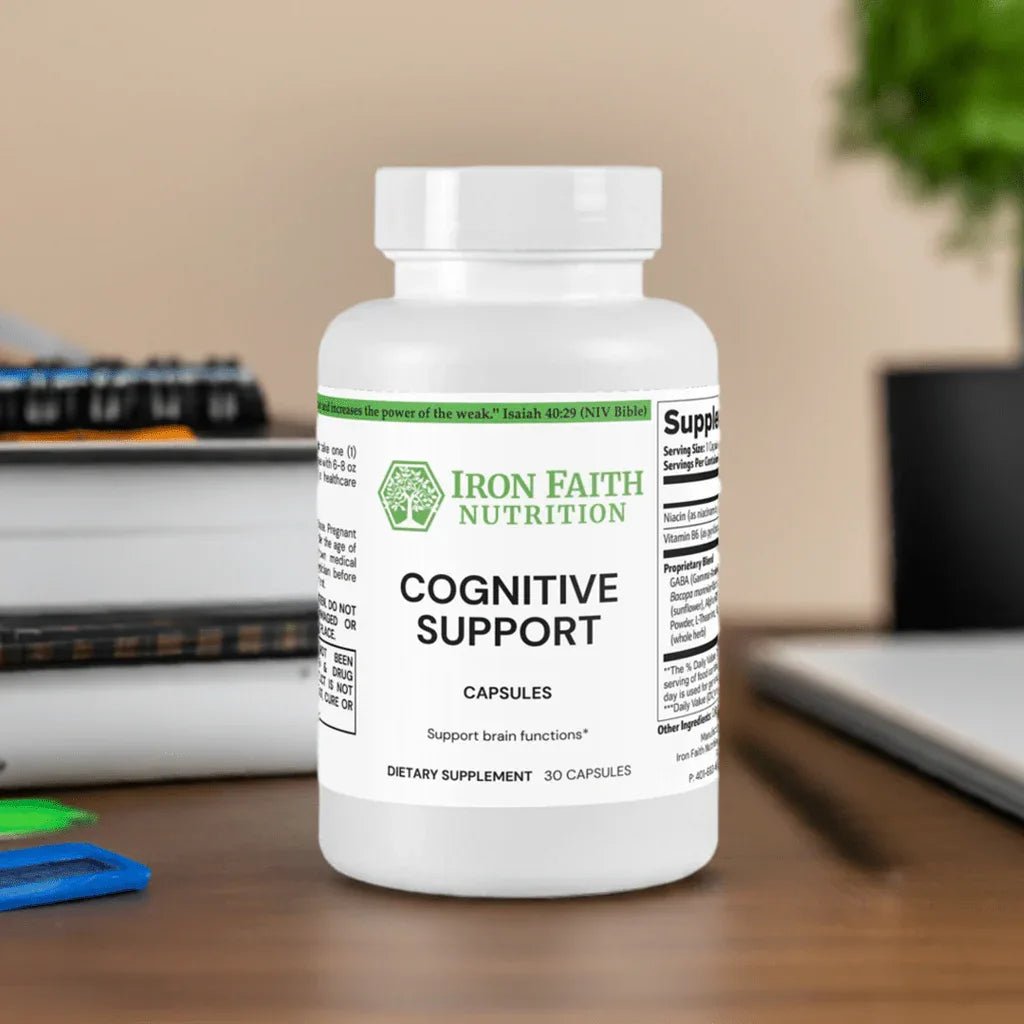
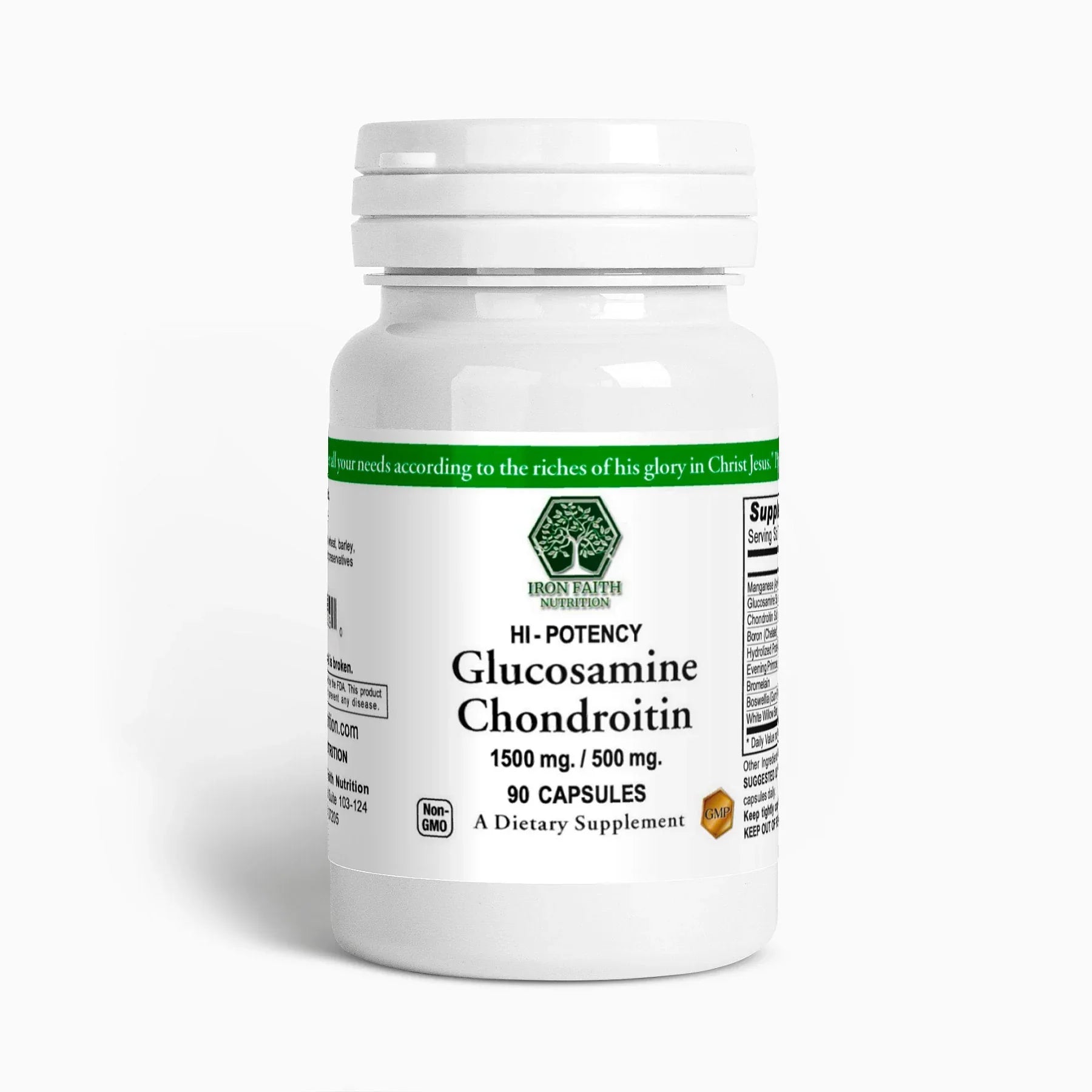
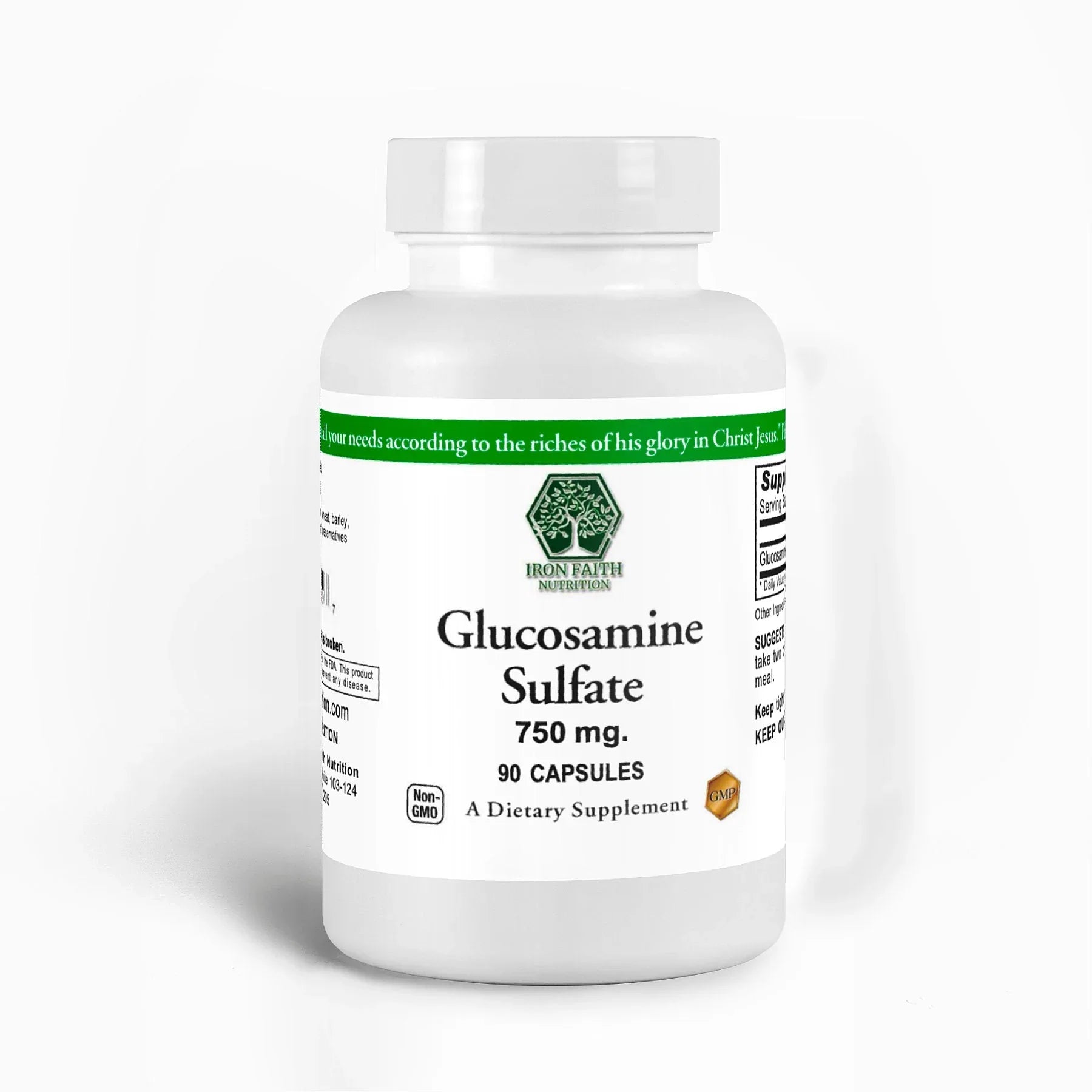
Many people also look for natural support for joint comfort. Iron Faith Nutrition offers Glucosamine Chondroitin with MSM, a joint comfort and mobility formula that combines glucosamine and chondroitin. The Glucosamine Sulfate 1500 mg option provides glucosamine sulfate in a single-ingredient capsule. For a broader approach, Curcumizyme combines turmeric, bromelain, quercetin, and feverfew.
A reader focused on eating habits may also find this helpful: a beginner's guide to an anti-inflammatory eating plan. And for a deeper look at keeping joints mobile after 40, see joint longevity support for mobility and recovery.
Supplements complement a movement routine. They do not replace it, and results vary from person to person.
Safety Guidelines and When to See a Professional
Move within a comfortable range and never bounce into a stretch. Breathe slowly and stop if you feel sharp pain, numbness, or tingling.
See a healthcare professional if you notice:
- Pain that persists for more than a few days
- Swelling, warmth, or redness around the hip
- Limping or trouble bearing weight
- Hip pain at night that does not ease with rest
Talk with a doctor before starting any new supplement, especially if you are pregnant, nursing, taking blood thinners, or managing a health condition. Glucosamine is typically shellfish-derived, so check labels if you have a shellfish allergy.
The statements have not been evaluated by the Food and Drug Administration. This content is for general education and is not intended to diagnose, treat, cure, or prevent any disease.
Start Your First Hip Routine This Week
You don't need a gym or special gear to start working on hip mobility. Pick three moves from this article, do them every morning for one week, and note how your hips feel by the end of it. Small, consistent sessions beat occasional long ones.
When you're ready to add natural joint support, explore our Glucosamine Chondroitin with MSM and Glucosamine Sulfate 1500 mg options, or browse the full lineup to find the right fit for your routine.
Frequently Asked Questions
How do you fix poor hip mobility?
Start with short, daily sessions of gentle movement such as hip circles, 90/90 transitions, and hip flexor stretches. Move slowly, stay within a comfortable range, and avoid bouncing. Pair stretching with light strengthening for the glutes and hips so the new range of motion is controlled. If stiffness is sharp, worsening, or linked to a injury, check with a healthcare professional before continuing.
What are 5 exercises to improve hip mobility?
Five useful starting exercises are hip circles, 90/90 hip transitions, a kneeling hip flexor stretch, a standing quad stretch, and the clamshell for hip strength. Perform each one slowly for 30 to 60 seconds of work or 8 to 10 controlled repetitions per side. Choose the version that feels challenging but comfortable, and skip any movement that causes pain. Combine them into a short routine three to five days a week for the best results.
Can tight hips cause lower back pain?
Tight hip flexors and limited hip rotation can change how the pelvis sits, which may place extra load on the lower back during standing, walking, and sitting. Improving hip mobility may help some people move more comfortably, but it is not a guaranteed fix for back pain. If back pain is persistent, radiates down the leg, or follows an injury, speak with a doctor or physical therapist for a proper evaluation.
How long does it take for hip mobility to improve?
Progress depends on age, activity level, how often you sit, and how regularly you practice. Track your range with simple checks, such as how far you can lower into a 90/90 position, and expect gradual rather than overnight results.